World Food Forum, UN FAO, Rome

Sharing Lands at the World Food Forum
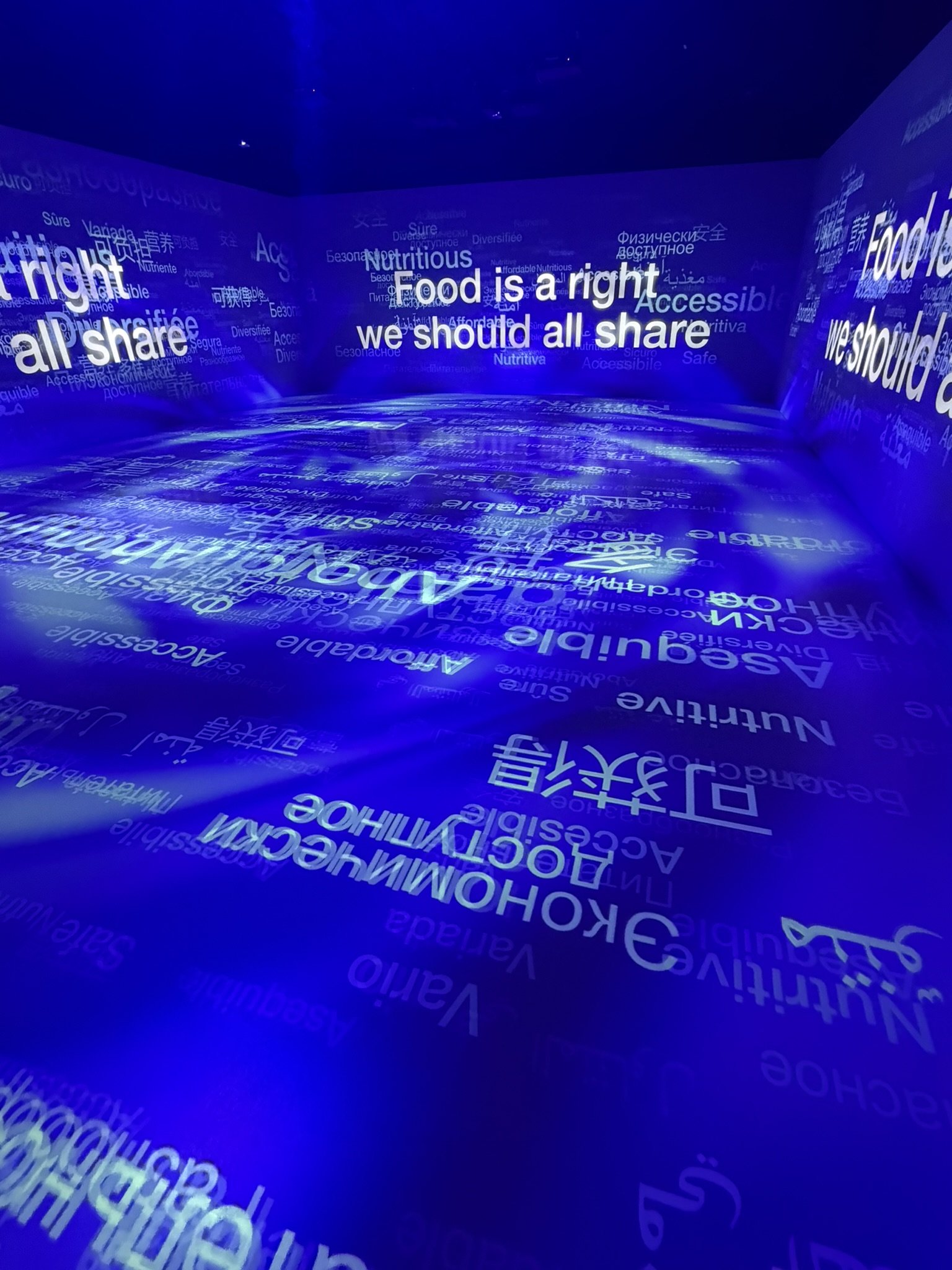
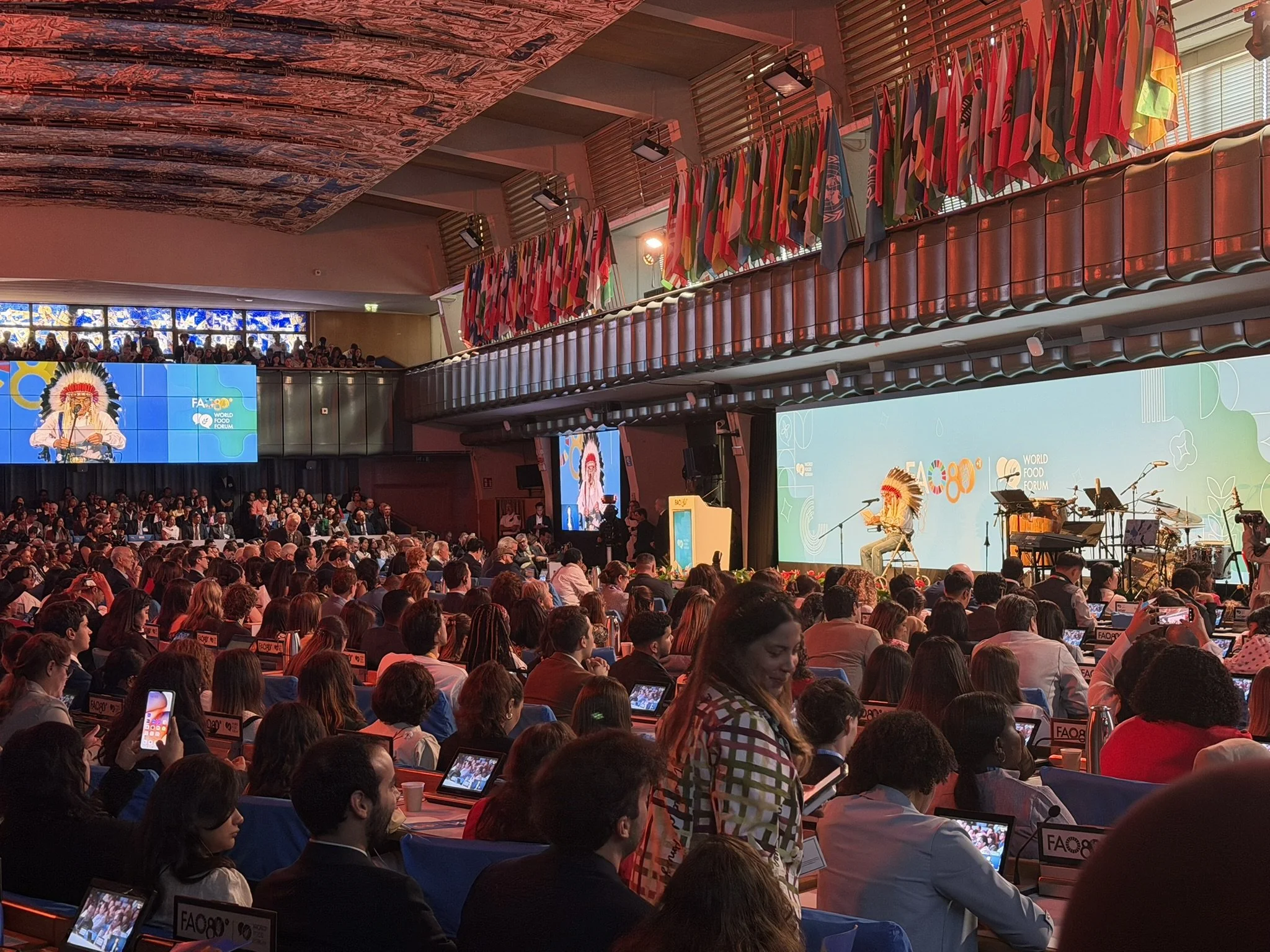
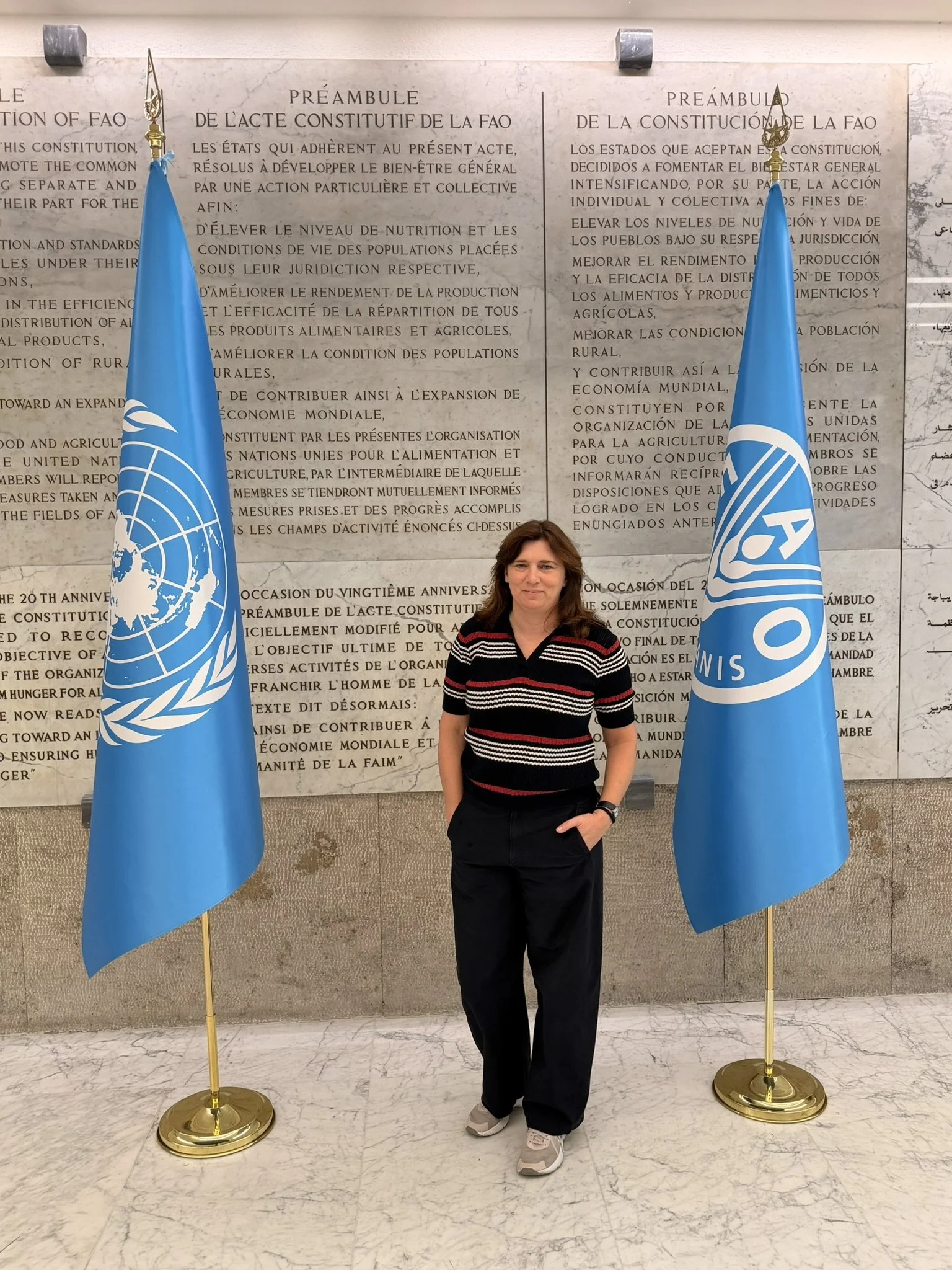
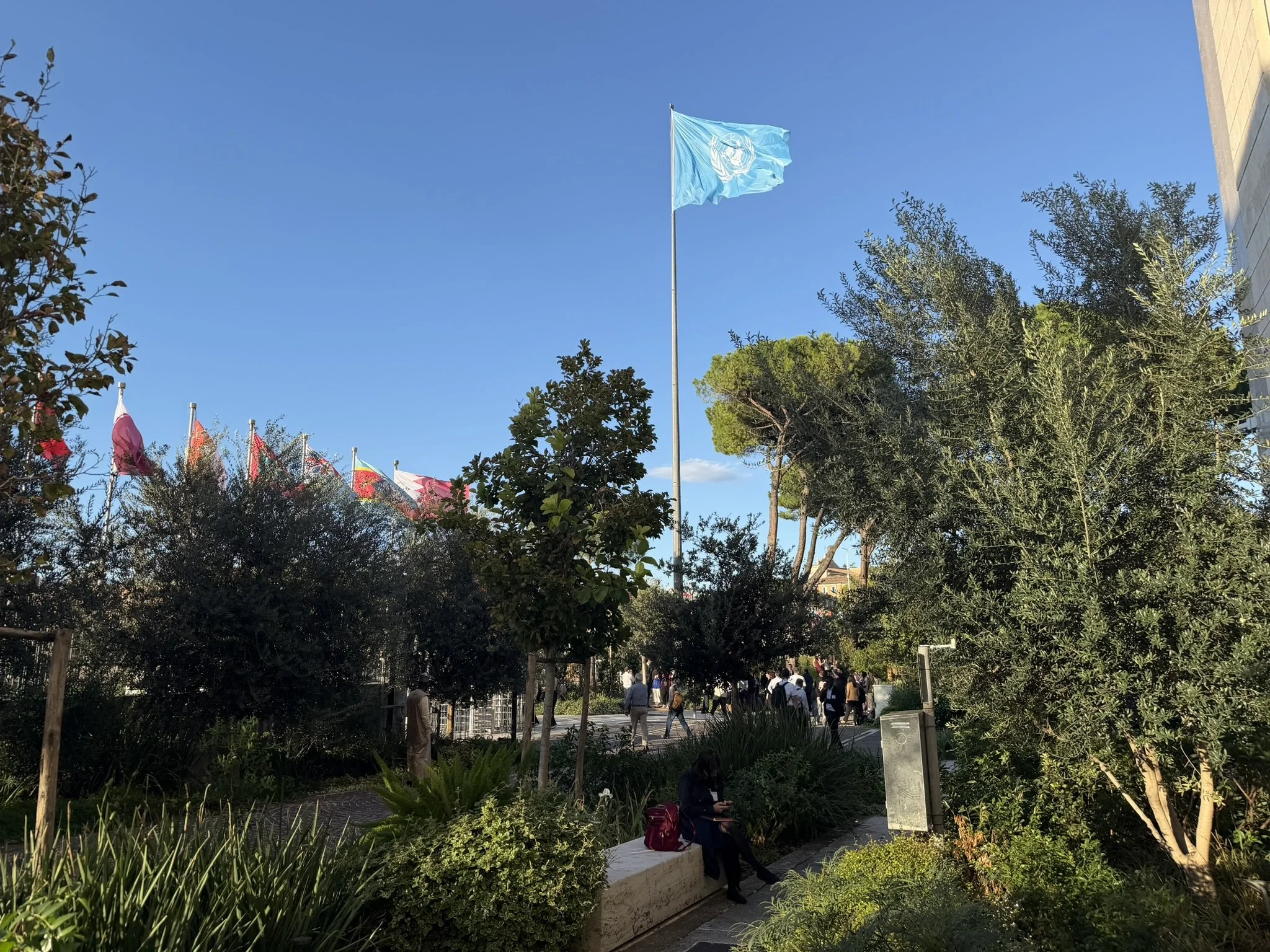
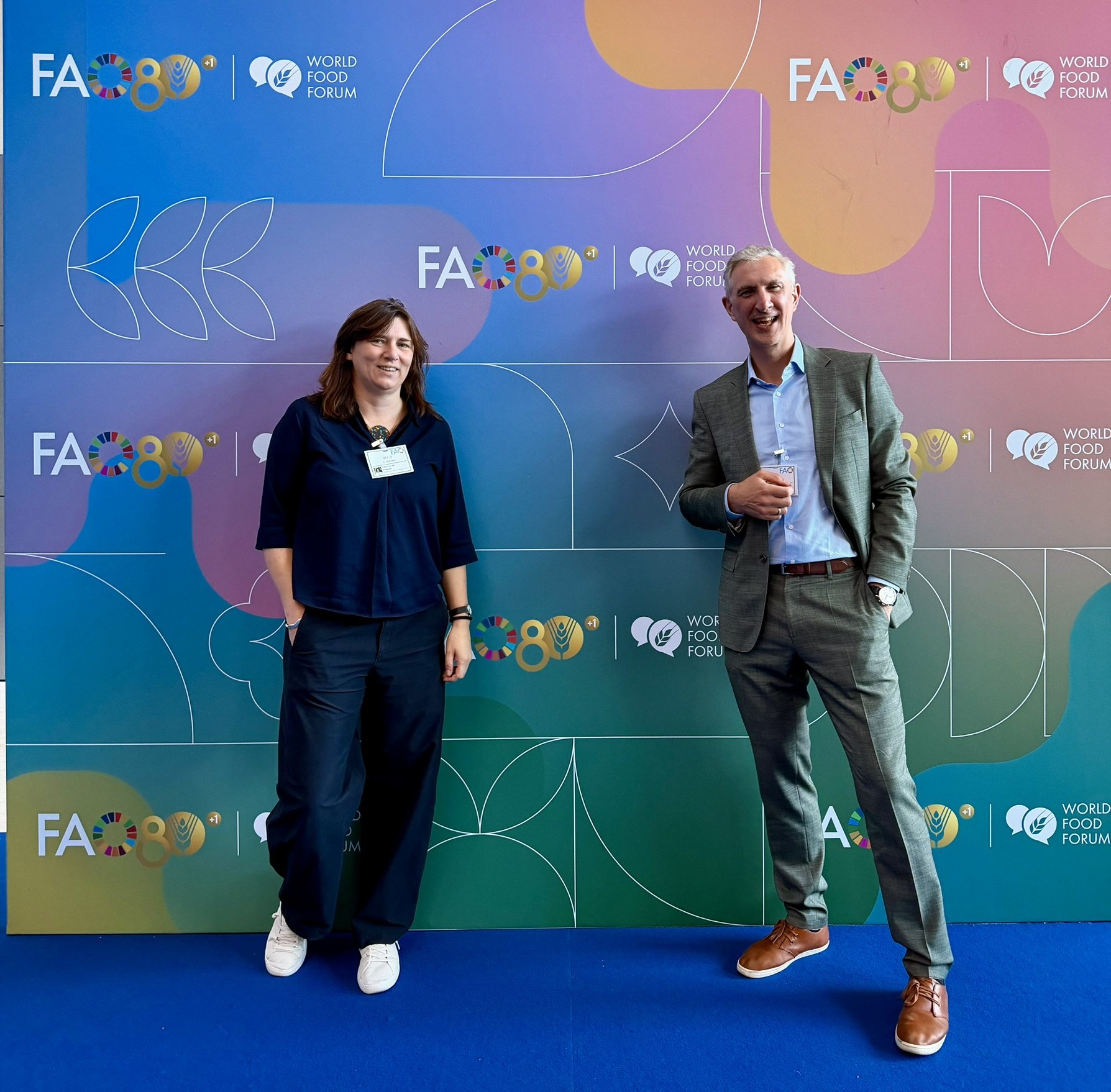
Last week, the Sharing Lands team had the privilege of attending the World Food Forum at the United Nations Food and Agriculture Organization (FAO) in Rome. It was our second year participating in this important global gathering, and an opportunity to deepen relationships, exchange knowledge and contribute to conversations about the future of sustainable food systems. A central part of our visit was our participation in the Global-Hub on Indigenous Peoples’ Food and Knowledge Systems, an initiative that offers an important model for how knowledge can be created, shared and valued across cultures.
A global space for Indigenous knowledge:
The Global-Hub is an innovative think tank that pioneers new ways of creating knowledge. By bringing together Indigenous and non-Indigenous experts, it recognises the equal importance of Indigenous Peoples’ knowledge and academic research. Its membership spans all s the world, bringing together experts from more than 40 organisations and institutions and five international research networks.
This diversity creates opportunities for dialogue between different knowledge systems and perspectives, helping to ensure that Indigenous Peoples’ expertise, lived experiences and long-standing relationships with the land are acknowledged in global discussions about food, biodiversity and sustainability.
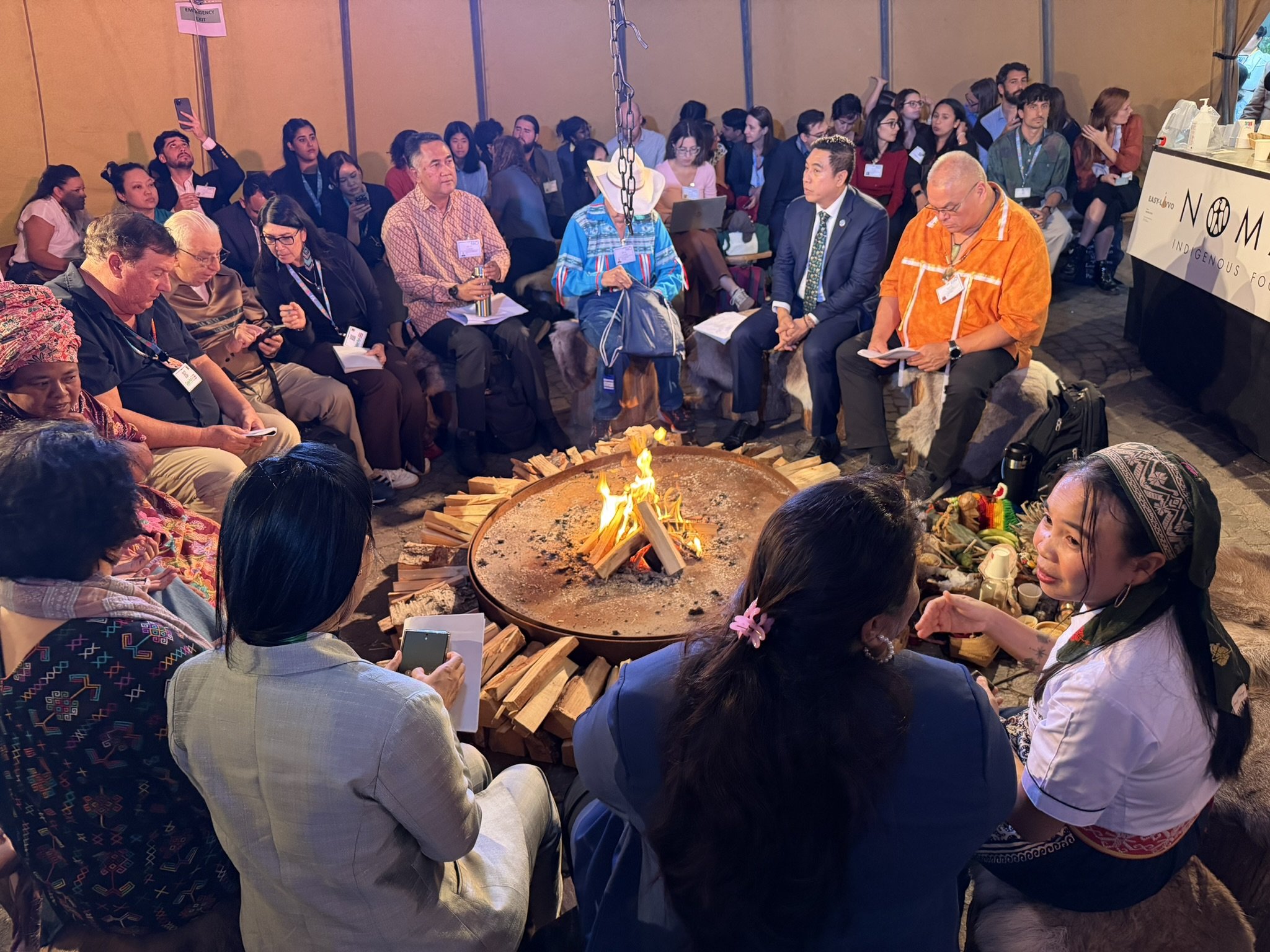
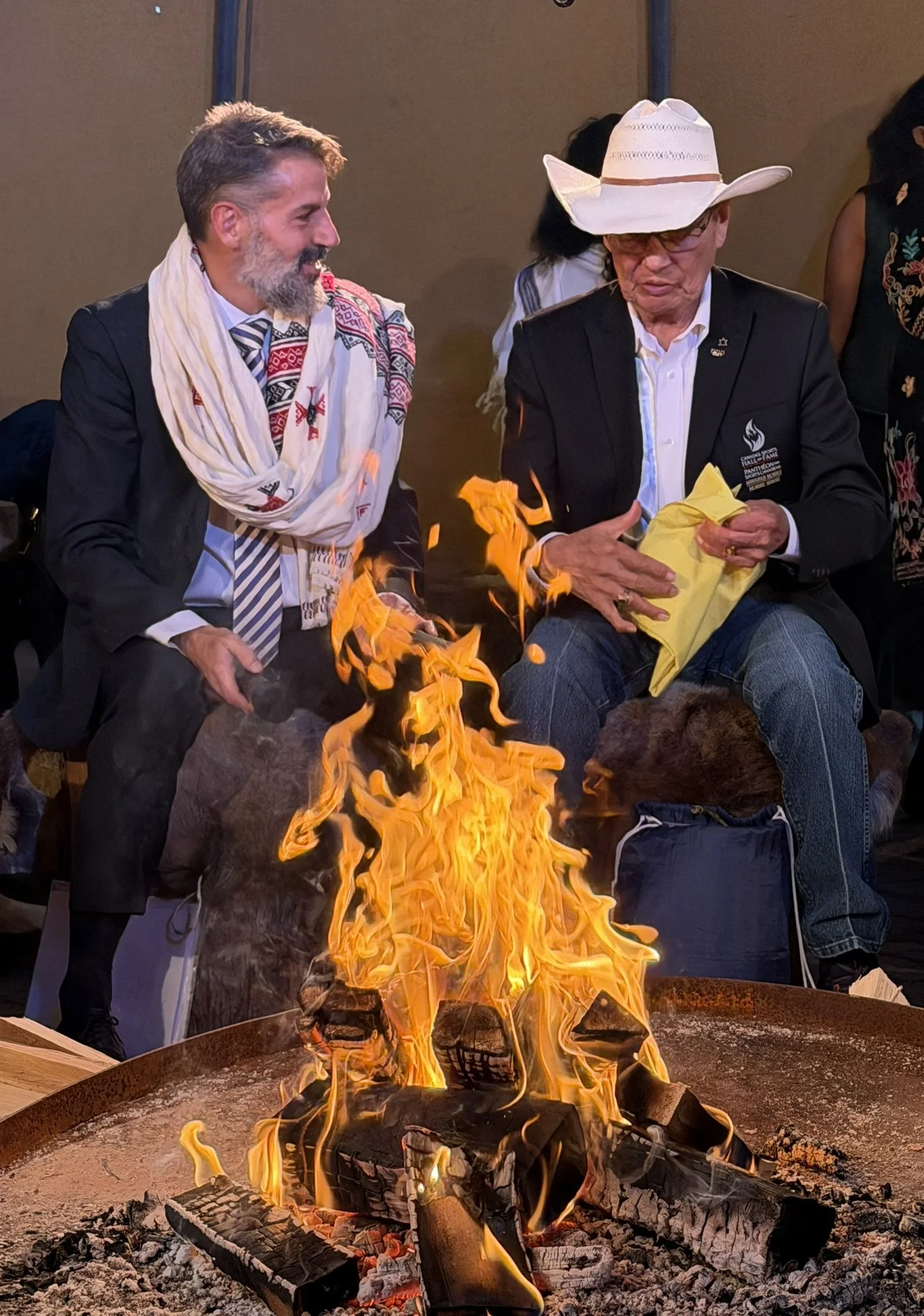
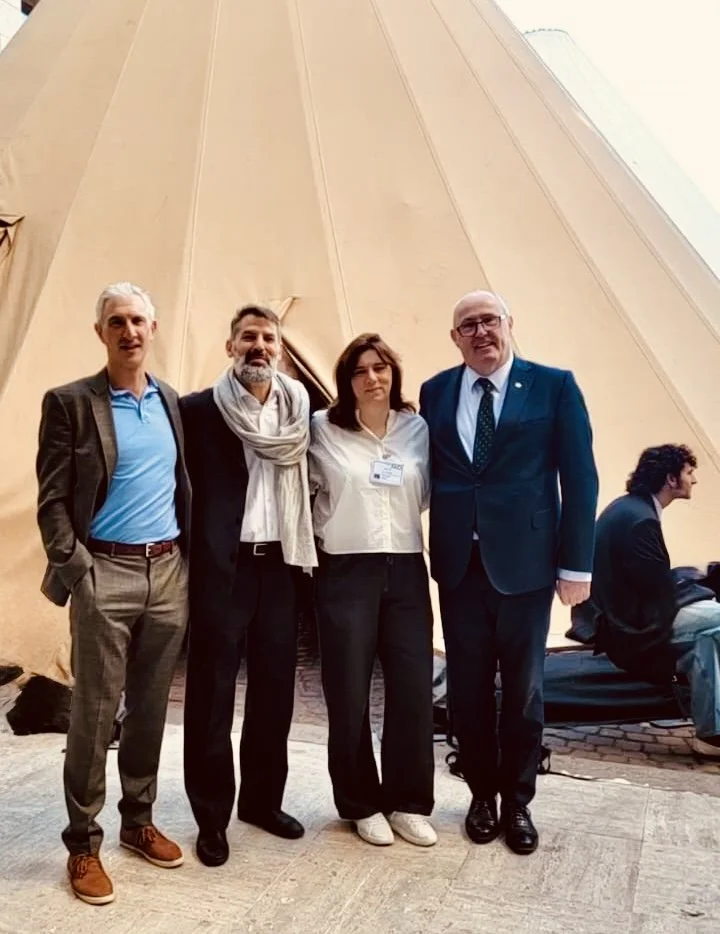
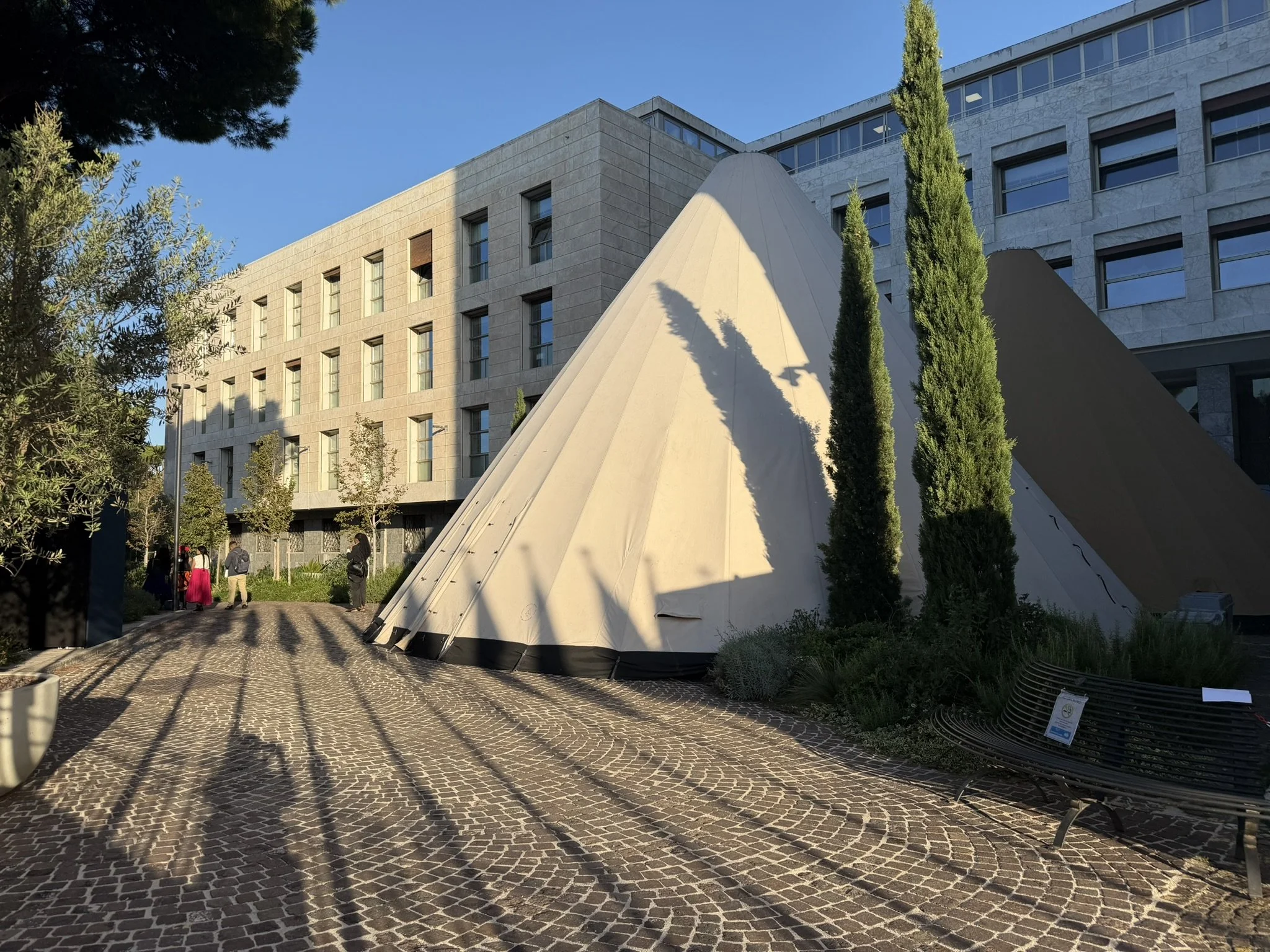
The Global-Hub is more than a network of experts. At the World Food Forum, it also creates a physical space for Indigenous Peoples’ voices and knowledge to be shared and celebrated. Situated in the heart of Rome, this symbolic Indigenous Peoples’ territory is formed by two connected Sámi nomadic tents. The space represents a place where the fire of knowledge is symbolically lit and where different perspectives can come together with mutual respect. Throughout the week, the tents hosted a programme of events, talks, advocacy and cultural activities, amplifying Indigenous Peoples’ voices and demonstrating the vitality and continuing relevance of Indigenous knowledge systems on the global stage.
Sharing Lands, Sharing Knowledge: Indigenous Systems of Giving
One of the highlights of our week was an event hosted by Sharing Lands in collaboration with our colleagues at the Chata Foundation.
Entitled Sharing Lands, Sharing Knowledge: Indigenous Systems of Giving, the event brought together perspectives on how Indigenous Peoples’ experiences and Ireland’s historical experiences of dispossession, resilience and food systems recovery can inform contemporary approaches to sustainability and community wellbeing. We were honoured to speak alongside Angela Palmer and Ryan Spring of the Choctaw Nation, and Hillary Paul of the Anishinaabe.
Our discussion explored the connections between historical experience, cultural continuity and the future of food systems. We considered how the preservation and transmission of ecological knowledge, language and traditional food systems can contribute to food sustainability, biodiversity conservation, cultural revitalisation and community resilience. These conversations highlighted the importance of understanding food systems not simply as ways of producing and distributing food, but as systems deeply connected to land, identity, relationships, culture and intergenerational knowledge.
Indigenous knowledge carries insights shaped by generations of observation, practice and responsibility to the natural world. Creating opportunities for this knowledge to be shared, respected and sustained is essential to developing approaches to sustainability that are both culturally grounded and ecologically resilient. For Sharing Lands, the event was an opportunity to contribute to these conversations while learning from the experiences and perspectives of others.
Looking ahead
Our participation in the World Food Forum reaffirmed the value of creating spaces where Indigenous and non-Indigenous knowledge holders can meet, exchange perspectives and work towards shared goals without losing sight of the distinct histories and cultural contexts that shape their knowledge. The Global-Hub provides an important platform for this work, demonstrating how collaboration and mutual respect can help bring Indigenous Peoples’ knowledge into wider discussions about the challenges facing food systems and the natural world.
We are grateful to everyone who contributed to our event and to the wider programme at the World Food Forum. Sharing Lands looks forward to building on the relationships established, sharing knowledge across communities and contributing to a future in which Indigenous knowledge, cultural heritage and sustainable relationships with the land are recognised and valued.
The conversations in Rome were a reminder that creating more resilient futures begins with listening, learning and recognising the knowledge that communities have carried across generations.