Roman Inquisition - Maltese Style
I’ve been writing a book about Irish prison museums in a global context (publication news on that coming soon!) As part of the research I recently visited prison museums on the islands of Malta and Gozo, and each takes a very different approach to telling its stories. First up was the Inquisitor’s Palace across the Grand Harbour from Valletta.
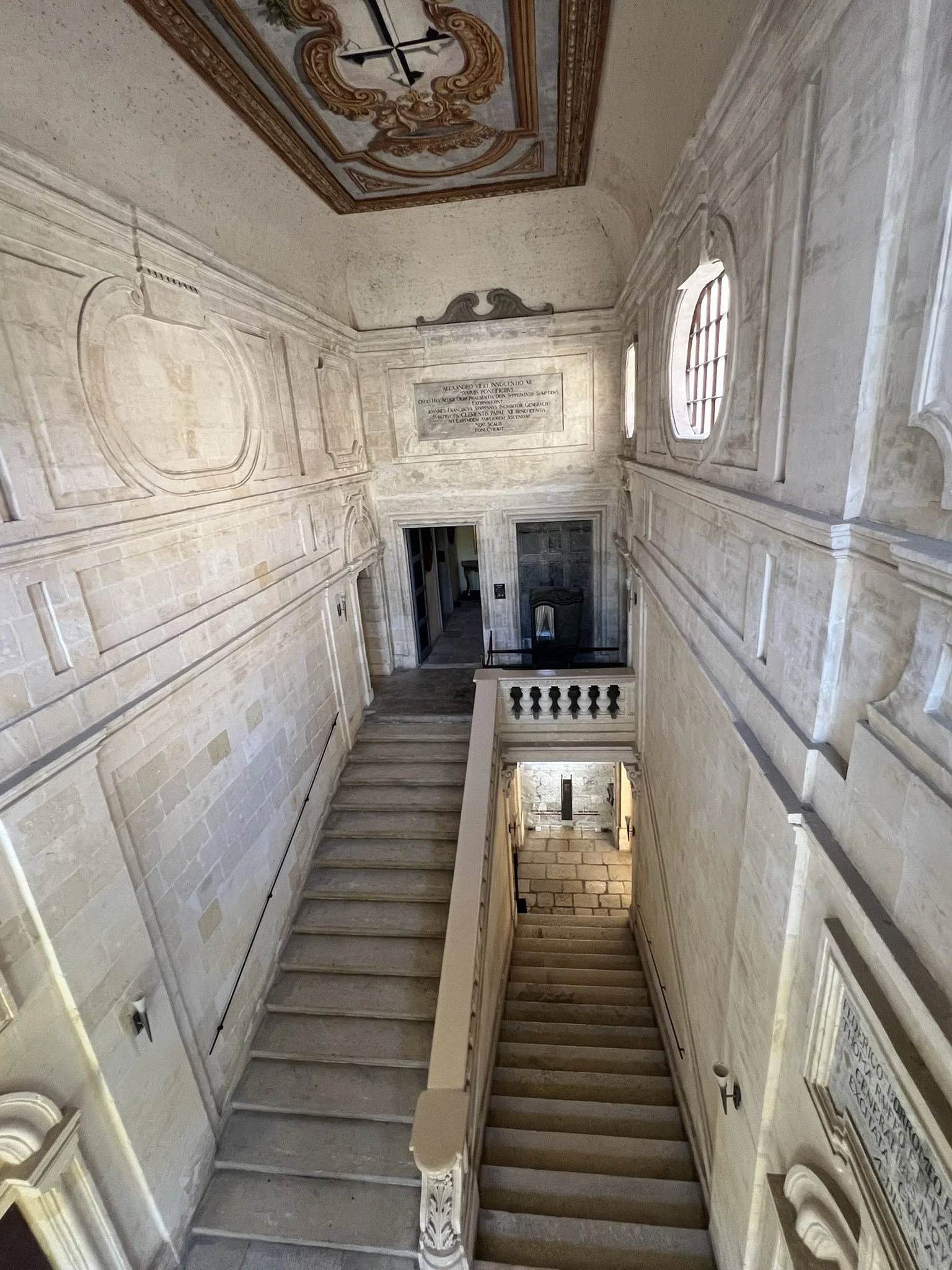
The grand entrance to the Inquisitor’s Palace (with prison cells hidden below the stairs)
One of the highlights was the Inquisitor’s Palace in Birgu (Vittoriosa), which is well worth a visit - not only for the fascinating museum and the historic palace itself, but also for the beautiful old winding streets of Birgu that surround it. The palace was the seat of the Roman Inquisition in Malta from 1574 to 1798. Beneath its elegant rooms lay a prison where those accused of crimes such as witchcraft, heresy, blasphemy and even reading prohibited books were held.
Today visitors can explore both the grand rooms where the Inquisition conducted its business and the prison cells below. Throughout the museum, the stories of those brought before the Inquisition are told through surviving records, revealing both the accusations they faced and the punishments imposed if they were found guilty.
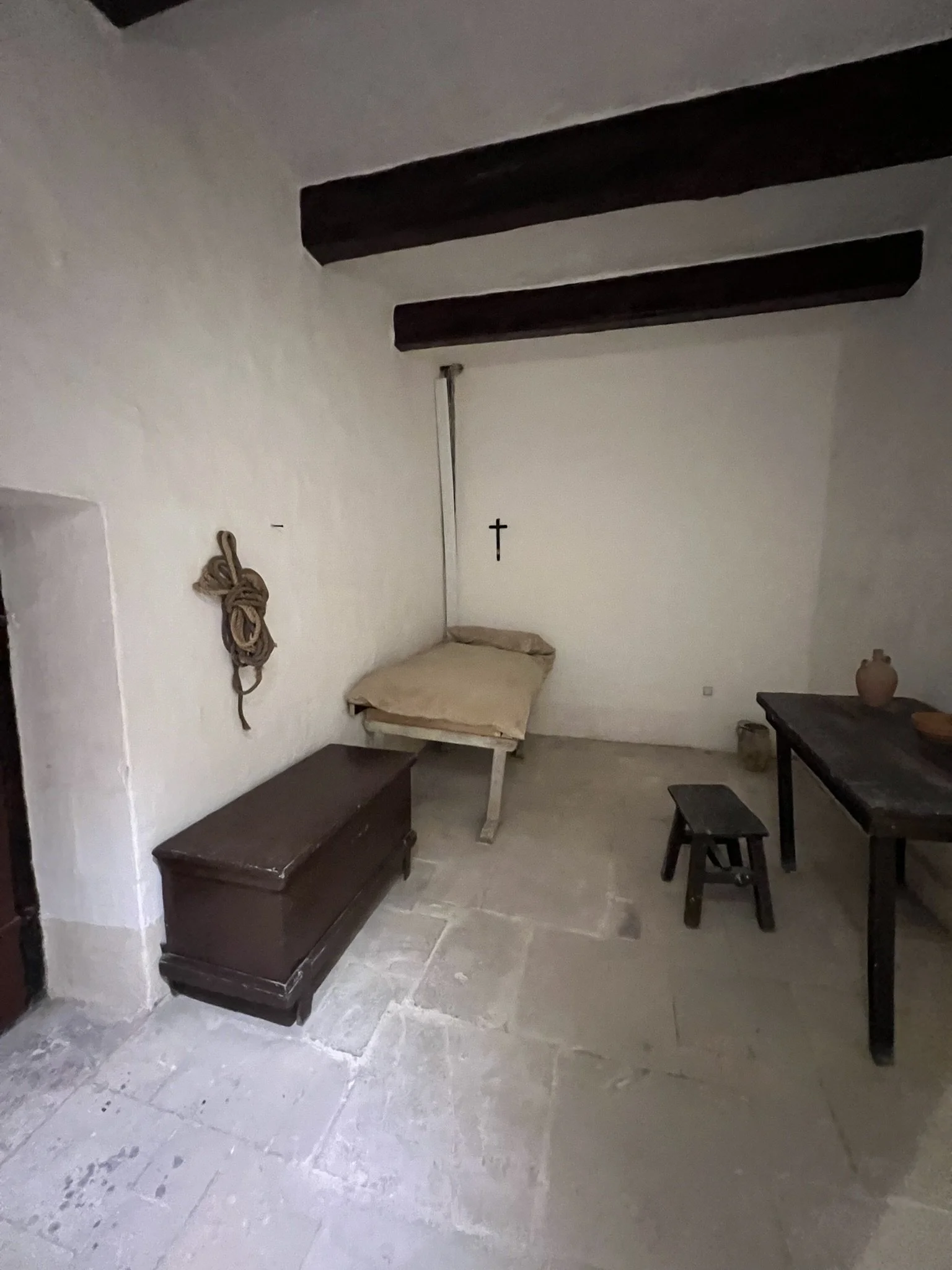
Prison Warden’s room - larger but only marginally better than the cells occupied by prisoners
Some of those stories are unforgettable. In 1635, forty women were accused of using love magic. Their trial lasted three years before they were publicly flogged and ordered to attend confession and receive Holy Communion four times a year. In 1658, two English Quakers, Katherine Evans and Sarah Cheevers, were arrested while passing through Malta on their way to convert the Sultan in Turkey. Accused of proselytising and disrupting Mass, they spent more than four years in prison before being released in 1663. Back in England, they published an account of their imprisonment.
Remarkably, most of the records of the Roman Inquisition have survived and are now held in the Cathedral Archives in Mdina. The museum makes excellent use of these extraordinary documents to bring individual lives back into view. Among the exhibits is a replica of a paper ‘magical hat; lined with Arabic script, used by Didacus Mifsud in the early seventeenth century as a remedy for headaches. The hat was confiscated and used as evidence during his trial for witchcraft.
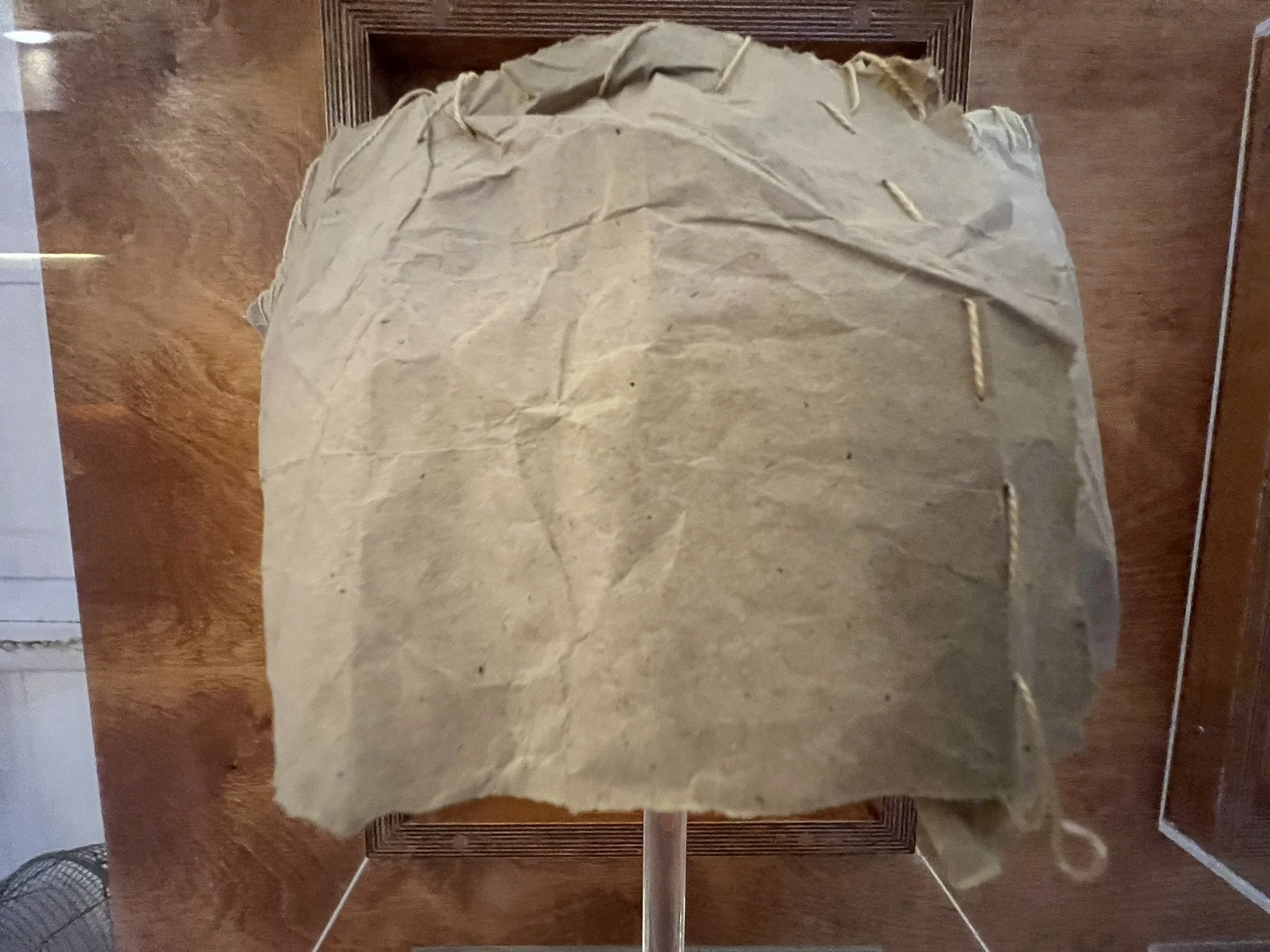
Replica of the paper ‘Magical Hat’ used by Didacus Mifsud to reduce his headaches.
The museum also explores stories of torture (but is at pains to note that it was rarely used by the Roman Inquisition) along with tales of daring escapes and the eventual end of the Inquisition in 1798, when the forces of Napoleon Bonaparte seized Malta and expelled the Inquisitor.
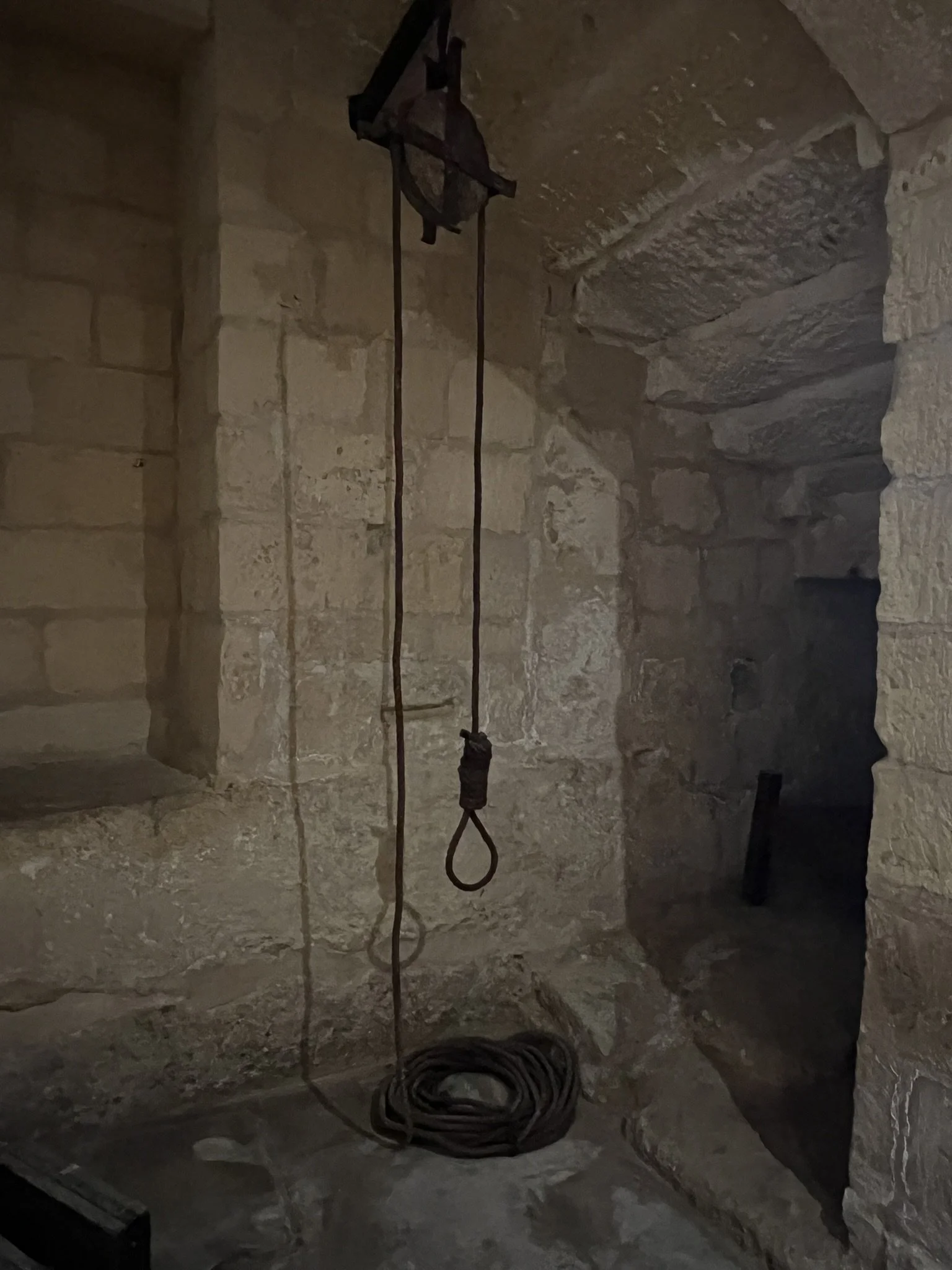
Half-hanging - a torture used by the Roman Inquisition